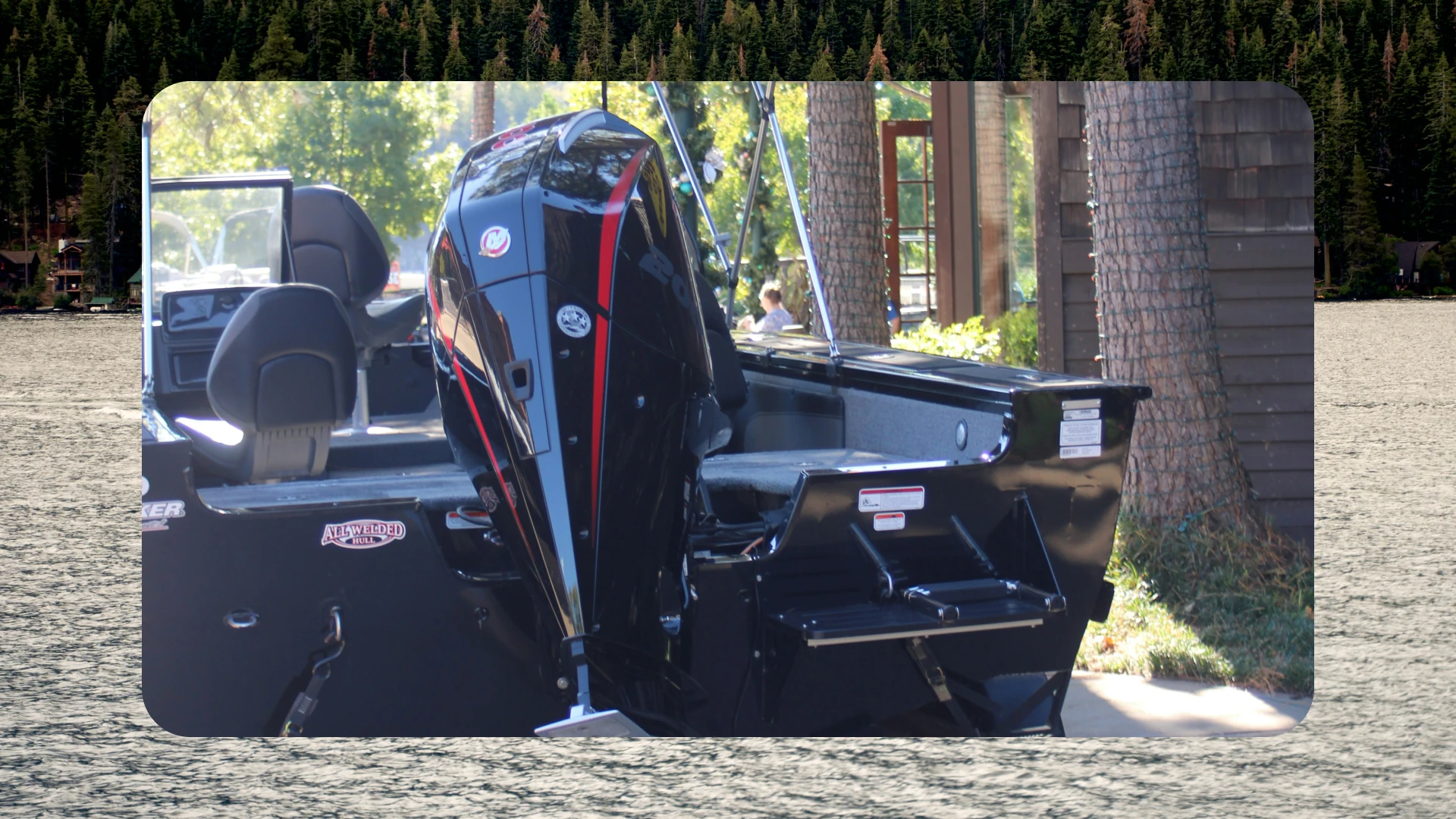
If you trailer your boat or travel between states to fish, cruise, or vacation, you might wonder whether you need to register your boat in each state where you operate.
In most cases, the answer is no — your home state registration is typically recognized for short visits. However, every state has its own rules, time limits, and documentation requirements that boat owners should understand before launching in a different state.
Because boating laws can vary widely, it’s always a good idea to check the regulations where you plan to operate.
Disclaimer: Boating laws, registration requirements, and reciprocity agreements vary by state and may change over time. This article provides general information only. Always confirm the latest requirements with the boating authority in the state where you plan to operate your vessel.
Most states require boats to be registered in the state where the vessel is primarily used or stored.
Once registered, boat owners can usually operate their vessel in other states for a limited period of time without needing to re-register the boat.
This temporary allowance is commonly around 60 to 90 days, although the exact limit varies by state.
If a boat stays in another state longer than the allowed time, the owner may need to:
Checking the specific rules before traveling can help avoid fines or registration issues.
If you’re traveling with your boat for a short trip or vacation, most states will recognize your home state registration during the allowed visitation period.
For example, someone trailering their boat from California to Nevada for a week-long trip typically would not need to register the boat again.
If your boat is permanently relocated to another state — such as moving or storing it there long-term — you will usually need to register the boat in that state.
This often involves:
Many states have agreements that recognize boat registrations issued by other states for short-term use.
These reciprocity agreements allow boaters to travel between states without needing to re-register their vessel immediately.
However, the number of days allowed varies by state, so it’s important to verify the local rules.
If your boat is documented with the U.S. Coast Guard, the vessel itself is federally registered.
Even so, many states still require documented vessels to display a state registration decal or pay applicable state fees.
Some states require boat operators to complete a boating safety course before operating a vessel.
These courses are often available online and typically involve a small fee and a short exam covering basic boating safety and navigation rules.
If you plan to operate your boat in another state for an extended period, it’s a good idea to confirm whether any boater education requirements apply.
Boat insurance policies often include details about where your boat is normally stored and the waters where it is operated.
If your boating plans change — such as keeping your boat in another state for an extended period — it may be helpful to notify your insurance provider so your policy reflects your current boating activities.
If you frequently move your boat between states, a few simple steps can help avoid problems.
Check time limits
Understand how long your boat can legally operate in another state before additional permits or registration may be required.
Carry documentation
Keep your registration certificate and any required permits onboard.
Research local rules
Some states have additional requirements such as safety inspections or local taxes.
Confirm boating safety requirements
Some states require operators to complete a boater education course.
Traveling with your boat between states is common, especially for boat owners who trailer their vessel or vacation on different lakes and coastlines.
In most situations, your home state registration will be recognized for short visits. However, staying informed about local requirements can help ensure you remain compliant wherever you boat.



.svg)