Boat
3 minute read
June 25, 2026
Fogging an Outboard Engine: What It Is and Why It Matters
Fogging your outboard before storage protects it from corrosion. Learn what fogging oil does, when to do it, and how it helps protect your engine and coverage.
Share this article

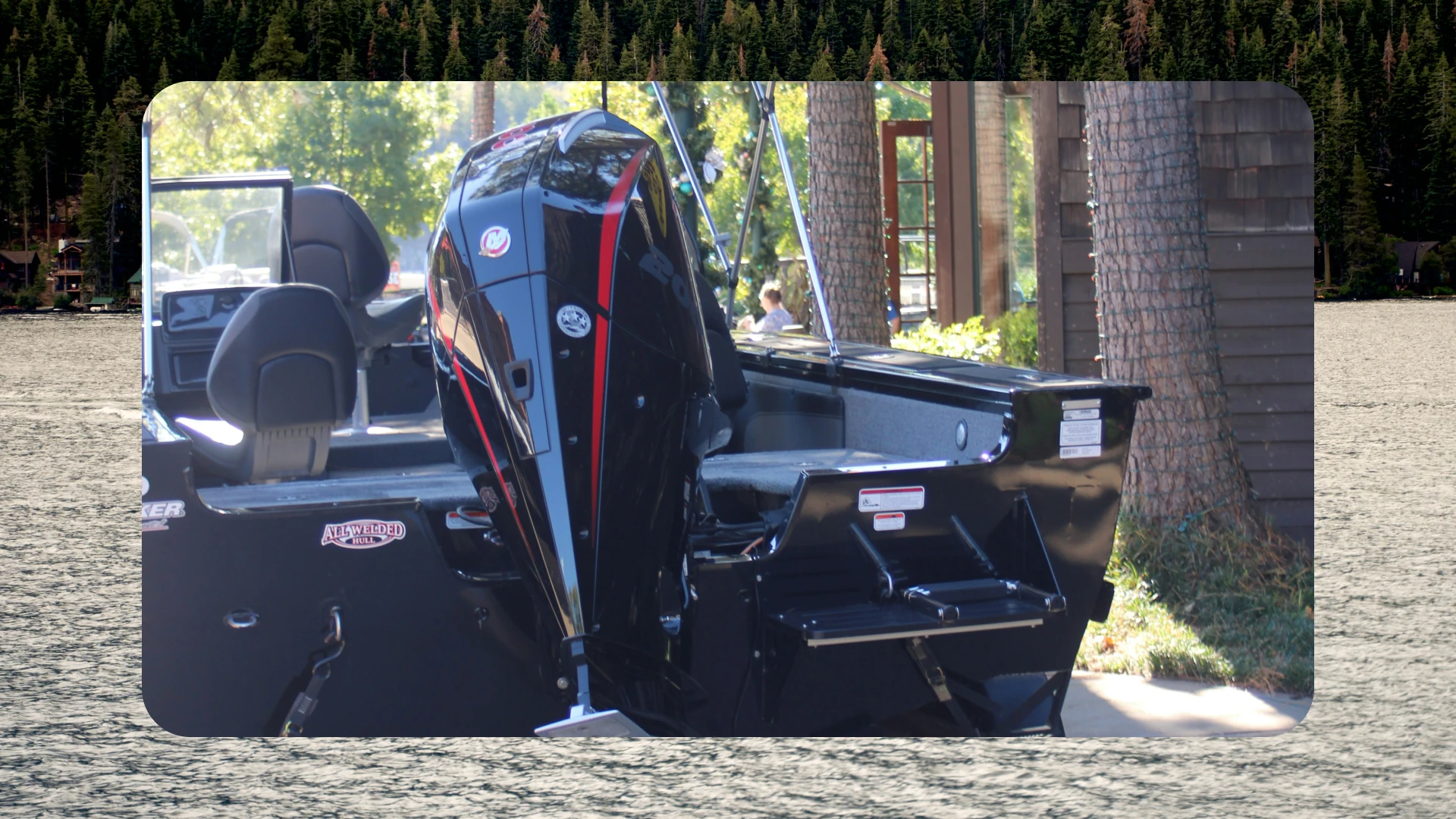
If you store your boat for the off-season, fogging the outboard engine is one of the simplest steps you can take to protect it. It is inexpensive, takes minutes, and helps prevent the kind of internal corrosion that can quietly ruin a motor over the winter.

This article is general information, not insurance advice. Coverage varies by policy, insurer, and state. Confirm what your policy includes with a licensed agent before you rely on it.

What fogging an engine means

Fogging means coating the internal metal parts of your engine with a protective oil before a long period of storage. You spray a product called fogging oil into the engine's air intake or spark plug openings, leaving a film on the cylinder walls, pistons, and other surfaces. That film blocks moisture and air from causing rust while the engine sits unused.

Why it matters

An idle engine is surprisingly vulnerable. As temperatures change, condensation forms inside the cylinders, and bare metal begins to corrode. Saltwater use makes it worse. A single season without protection can lead to pitting, rust, and expensive damage by spring. Fogging is cheap insurance against all of that.

When to do it

Fog your outboard before any extended period of no use, most commonly:

  • Before winter storage in colder climates.
  • Before a long lay-up if you will not run the boat for several months.
  • Any time the engine will sit unused beyond a typical break.

How fogging works, step by step

General steps look like this, though you should always follow your engine manufacturer's manual:

  1. Run the engine briefly to warm it up and add fuel stabilizer to the tank.
  2. With the engine running, or per your manual, spray fogging oil into the air intake until the engine begins to smoke and stall.
  3. For added protection, remove the spark plugs and spray fogging oil directly into each cylinder, then turn the engine over by hand to spread it.
  4. Reinstall the plugs and finish the rest of your winterization, such as draining water and changing the gear oil.

How it connects to your coverage

Proper winterization is not just good for the engine, it can matter at claim time. Insurers generally do not cover damage from neglect or failure to maintain a boat, so corrosion from skipping winterization could lead to a denied blown engine claim. Keeping up with maintenance protects both your motor and your ability to rely on your policy.

Pair good maintenance with the right boat insurance from Suncoast Financial for real peace of mind on and off the water.

Get a Quote for Boat Insurance
It is quick and easy to get a Quote with Suncoast Financial Insurance Agency.
Get a Quote
Written by
Suncoast Agency
June 25, 2026
Co-written by multiple experts within the Suncoast editorial team.
Support

Frequently Asked Questions

What does fogging an outboard engine do?
It coats the internal metal parts with protective oil to prevent rust and corrosion while the engine is stored.
How often should I fog my outboard?
Before any long period of storage, typically once a year ahead of the off-season.
Can I fog my own engine?
Yes, it is a common DIY step, but always follow your engine manufacturer's instructions for your specific model.
What is fogging oil?
It is a specialized spray oil designed to cling to internal engine parts and protect them from moisture and corrosion during storage.
Do four-stroke and two-stroke outboards both need fogging?
Both can benefit from fogging before long storage, but the exact steps differ, so always follow the procedure in your engine's manual.

Let's Talk

We'd love to help you secure the coverage and payment option to fit your lifestyle. Send us a quick note to learn more!
Thank you! Your submission has been received!
Oops! Something went wrong while submitting the form.

Ready to learn more about Insurance?

The Suncoast Blog is the place to go for all insurance knowledge and learning.
Disclaimer: The information provided above is for general educational purposes only and is not intended to serve as a substitute for professional insurance advice. It does not describe any specific insurance policy, nor does it alter any terms, conditions, exclusions, or limitations of any actual policy. Coverage options and availability vary by insurer and by state, and may not be available in all areas. For a full understanding of any coverage, please review the actual policy documents or speak with a licensed insurance representative. Whether a claim or incident is covered will depend on the specific terms of the policy in question. Any references to average premiums, deductibles, or coverage costs are for illustrative purposes only and may not reflect your unique situation. Sun Coast is not responsible for the content of any external websites linked within this blog.

Talk to a Real Person—
We’re Here to Help

Have a question about coverage or want to explore your options? Our team is here to help you find the right insurance for your needs—fast, friendly, and stress-free. Send us a message and we’ll get back to you shortly.
Call for a Quote - (877) 240-4678
Existing Customer? Call (877) 353-4315
Contact Us
Write your message below
Thank you!
Your submission has been received. Our team will reach out to you within 72 hours.

If you are looking to get ahold of us sooner, please call (877) 240-4678.
Oops! Something went wrong while submitting the form.
Thank you! Your submission has been received!
Oops! Something went wrong while submitting the form.
© 2025 Suncoast Financial & Insurance Agency. All rights reserved.
Licensed in AZ · CA · CO · NM · NV · OR · TN · TX · UT