Home
Products
Auto Insurance in California

Auto Insurance in California

From the 405 at rush hour to Highway 1 on a Sunday, California driving covers a lot of ground. Your coverage should too, without the premium doing the same.
Licensed agents · No obligation · Your information stays private

Why Local Coverage Matters

California rewrote its minimum insurance law in 2025, and plenty of drivers are still carrying yesterday's limits. Suncoast helps California drivers match auto insurance options to today's rules and their real budget, including drivers other carriers turn away.

California Minimum Car Insurance Requirements

California raised its minimum liability limits on January 1, 2025, the first increase in more than 50 years. Every driver must now carry at least:
$30,000
bodily injury liability per person
$60,000
bodily injury liability per accident (two or more people)
$15,000
property damage liability per accident
You will often see this written as 30/60/15. If your policy predates the change, your insurer has adjusted your limits, but it is worth confirming.
Proof of insurance
carry evidence of insurance (paper or digital) and show it at traffic stops, after accidents, and at vehicle registration. Insurers report coverage electronically to the California DMV.
Penalties for driving uninsured
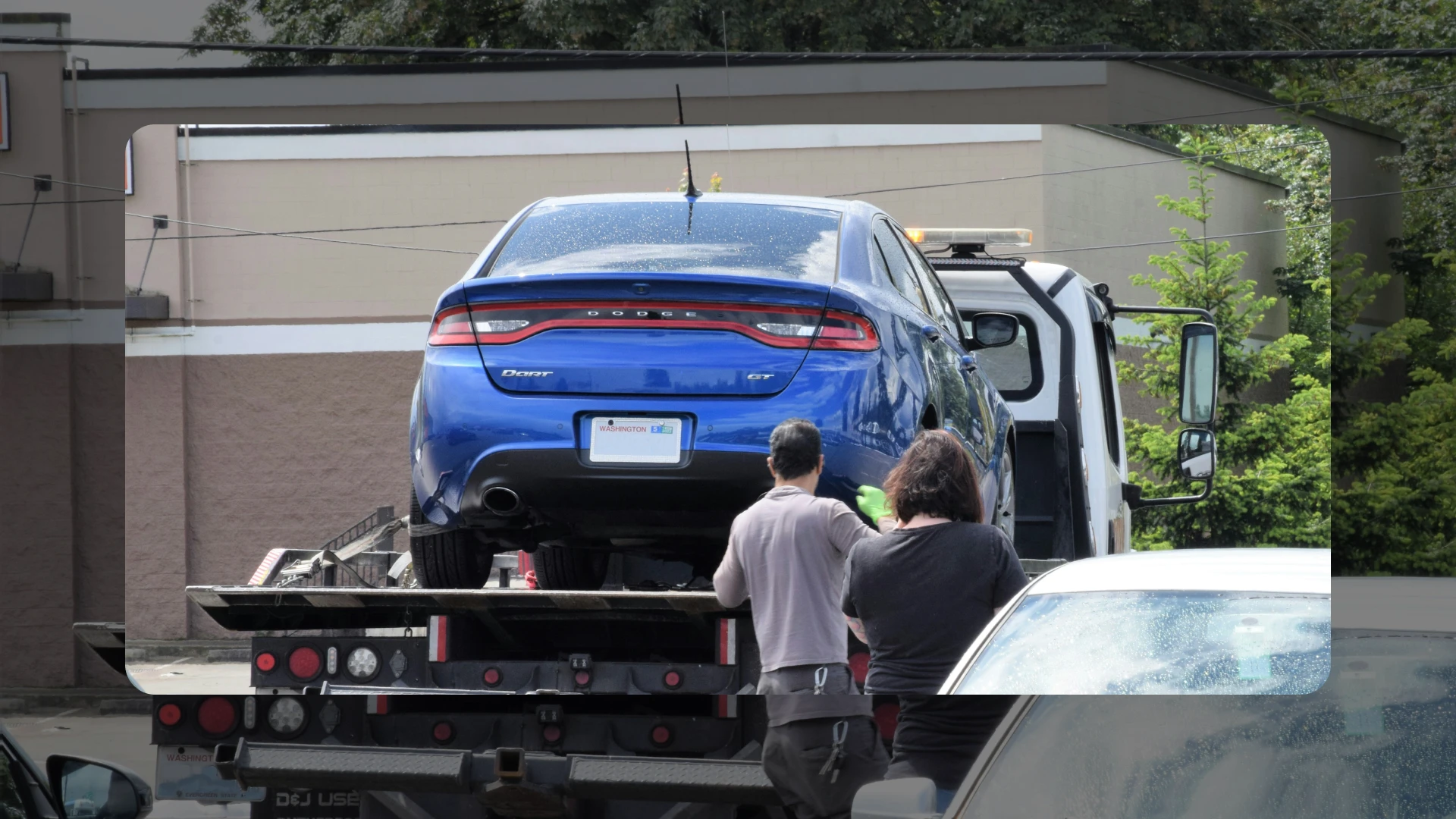
a first offense brings a base fine plus court penalty assessments that multiply the real cost several times over, and the court can allow impoundment of your vehicle. If the DMV learns your insurance lapsed on a registered vehicle, it can suspend the registration until you show proof and pay reinstatement fees.

Coverage Options Beyond the Minimum

The new minimums are higher, but they still cap what your policy pays. In a state where a fender bender can involve a six-figure vehicle, many drivers add protection.
Liability coverage with higher limits
raises what your policy can pay for injuries and property damage you cause to others, useful on freeways where multi-car accidents are common.
Collision coverage
helps pay to repair or replace your own vehicle after a covered collision, regardless of fault.
Comprehensive coverage
helps with covered non-collision losses such as theft, vandalism, fire, and falling debris. California's vehicle theft rates in major metros make this one worth pricing.
Uninsured/underinsured motorist coverage
can help protect you when the at-fault driver has no insurance or too little. Insurers in California must offer it, and many drivers keep it.

How We Help

How Much Does Car Insurance Cost in California?

Rates vary widely across the state. Insurers price on your driving record, years licensed, annual mileage, vehicle, coverage choices, and deductibles. Where you drive matters too.

The only rate that matters is yours. A quote takes a few minutes online.
Los Angeles
Dense traffic, higher theft and claim frequency, and premiums that usually run above the state average.
San Diego
Typically friendlier than LA, though freeway corridors and coastal vehicle values keep rates moderate.
Sacramento
Capital-region pricing that often lands near the state midpoint.
San Francisco Bay Area
High repair costs and break-in rates push comprehensive pricing up.
Bakersfield and the Central Valley
Generally lower than the coastal metros, with agriculture and highway traffic in the mix.

Ways to Save on California Auto Insurance

Choosing a higher deductible lowers your premium in exchange for more out of pocket on a covered claim. A clean driving record is the biggest lever in California, since insurers here weight driving safety heavily. Maintaining continuous coverage avoids the lapse surcharges many carriers apply. Bundling auto with other policies can earn multi-policy discounts, and it is worth asking about good driver, multi-vehicle, low mileage, and pay-in-full discounts.


Leasing or Financing? Read This First

If you lease or finance, your lender will almost always require collision and comprehensive coverage on top of state minimum liability, and may cap your deductibles. Ask about GAP coverage too. It can help pay the difference between your loan balance and the vehicle's value if the car is totaled or stolen, a gap that grows fast on new vehicles.

Registering a Vehicle in California

Vehicle registration runs through the California Department of Motor Vehicles (DMV), online, at a DMV office, or through licensed registration services.

To register you will generally need the title or dealer paperwork, proof of insurance meeting the 30/60/15 minimums, a smog certification for most vehicles (required every two years in most of the state), and payment of registration fees and vehicle license fees based on the vehicle's value. New residents must register within 20 days of establishing residency.

Because insurers report coverage electronically, a lapse can trigger a registration suspension by itself. Keeping the policy active protects your registration even when the car is parked, unless you file for planned non-operation status.

Got Questions?
We’ve Got Answers.

What are the car insurance requirements in California?
California requires liability insurance with minimum limits of $30,000 bodily injury per person, $60,000 bodily injury per accident, and $15,000 property damage (30/60/15). These limits took effect January 1, 2025 under SB 1107.
Did California's minimum car insurance change?
Yes. On January 1, 2025 the minimums rose from 15/30/5 to 30/60/15, the first increase in over 50 years. The law schedules another increase in 2035. If you have not reviewed your policy since 2024, confirm your limits meet the new floor.
What happens if I drive without insurance in California?
Expect a fine plus court penalty assessments that multiply the base amount, possible vehicle impoundment, and a DMV registration suspension if a lapse is reported. You must show proof of insurance at traffic stops and after accidents.
How much is car insurance in California?
It depends on your record, mileage, vehicle, coverage choices, and area. Drivers in Los Angeles and the Bay Area typically pay more than drivers in the Central Valley. An online quote gives you an exact number in minutes.
Is California a no fault state?
No. California is an at fault state, so the driver who causes an accident is responsible for the damage, usually through liability insurance. That is one reason many drivers carry limits above the 30/60/15 minimum.
Can I get California car insurance with a ticket, accident, or SR-22 requirement?
Often, yes, though eligibility and pricing depend on your record and each carrier's guidelines. California may require an SR-22 filing after certain violations or suspensions. Suncoast quotes carriers that specialize in drivers with marks on their record, and a licensed agent can handle the SR-22 filing as part of your policy.
Still have questions?
Can’t find the answer you’re looking for? Please chat to our friendly team.
Get in Touch
The information above is general education, not insurance advice, and does not describe a specific policy. Coverage options, availability, and pricing vary by insurer, situation, and state. Confirm details with a licensed agent or state authority before you rely on them.

Learn more about insurance

The Suncoast Blog is your go-to guide for all insurance knowledge.
INSURANCE PRODUCTS

Protection for where life takes you.

Auto, home, boats, business, and beyond — all with the same personal Suncoast support.
Thank you! Your submission has been received!
Oops! Something went wrong while submitting the form.
© 2025 Suncoast Financial & Insurance Agency. All rights reserved.
Licensed in AZ · CA · CO · NM · NV · OR · TN · TX · UT