Home
Products
Auto Insurance in Colorado

Auto Insurance in Colorado

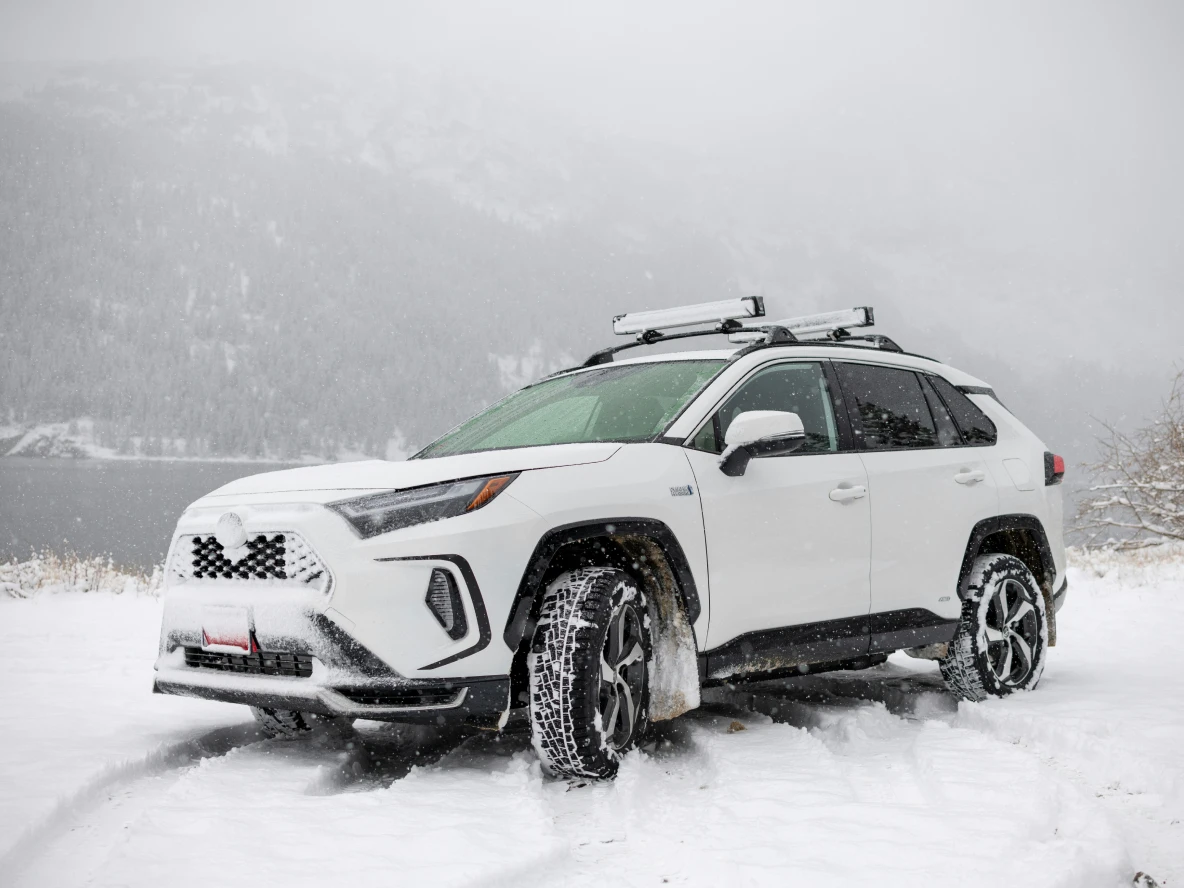
From I-25 through Denver to hail season on the Front Range, Colorado gives your car plenty to survive. The right coverage makes sure your budget survives too.
Licensed agents · No obligation · Your information stays private

Why Local Coverage Matters

Colorado has its own minimums, its own electronic insurance database, and weather that files more hail claims than almost any state. Suncoast matches Colorado drivers with auto insurance options built for how and where they actually drive.

Colorado Minimum Car Insurance Requirements

Colorado requires every driver to carry liability insurance with at least:
$25,000
bodily injury liability per person
$50,000
bodily injury liability per accident (two or more people)
$15,000
property damage liability per accident
You will often see this written as 25/50/15. Colorado insurers must also offer uninsured/underinsured motorist coverage and medical payments coverage; you can decline them in writing, but the offer is required by law.
Proof of insurance
Carry proof (paper or digital) in the vehicle. Colorado also verifies coverage electronically through the Motorist Insurance Identification Database (MIIDB), which is checked at registration and by law enforcement.
Penalties for driving uninsured
A first offense carries a minimum $500 fine, four license points, and a license suspension until you show proof of coverage. Repeat offenses bring minimum $1,000 fines and longer suspensions, plus court costs and reinstatement fees on top.

Coverage Options Beyond the Minimum

The minimum keeps you legal. It does not repair your own car after a hailstorm. Many Colorado drivers add protection with some combination of the following.
Liability coverage with higher limits
raises what your policy can pay for injuries and damage you cause to others, which matters when mountain-corridor pileups involve multiple vehicles.
Collision coverage
helps pay to repair or replace your own vehicle after a covered collision, regardless of fault, including single-car slides on ice.
Comprehensive coverage
helps with covered non-collision losses such as hail, windshield damage, theft, and animal strikes. Colorado's Front Range is one of the most hail-prone regions in the country, and deer and elk collisions are routine on mountain highways.
Uninsured/underinsured motorist coverage
can help protect you when the at-fault driver has no insurance or not enough. Colorado insurers must offer it for a reason.

How We Help

How Much Does Car Insurance Cost in Colorado?

Colorado premiums have climbed in recent years, driven by hail losses, repair costs, and traffic growth. Your rate depends on your record, vehicle, coverage choices, deductibles, prior insurance, and ZIP code.

An online quote turns all of that into an actual number in minutes.
Denver
Metro traffic and claim frequency generally push rates above the state average.
Colorado Springs
Typically a notch below Denver, with hail exposure still in the equation.
Aurora
Often among the pricier areas in the state for auto coverage.
Fort Collins and Northern Colorado
Usually more moderate, with lighter traffic.
Pueblo and southern Colorado
Often lands below the metro corridor pricing.

Ways to Save on Colorado Auto Insurance

A higher deductible lowers your premium in exchange for more out of pocket on a covered claim, though in hail country it pays to pick a comprehensive deductible you could actually write a check for. A clean driving record compounds year over year. Continuous coverage matters, since carriers often surcharge after a lapse. Bundling auto with other policies earns multi-policy discounts, and it is worth asking about safe driver, multi-car, paid-in-full, and defensive driving discounts.

Leasing or Financing? Read This First

If you lease or finance, your lender will almost always require collision and comprehensive coverage, not just minimum liability, and may set deductible limits. Ask about GAP coverage as well. If your vehicle is totaled (a real possibility after a major hailstorm) GAP can help cover the difference between the insurance payout and what you still owe.

Registering a Vehicle in Colorado

Registration in Colorado is handled by your county motor vehicle office under the Colorado Division of Motor Vehicles (Department of Revenue). Many renewals can be done online through myDMV or at county kiosks.

To register you will generally need the title or dealer paperwork, proof of insurance meeting the 25/50/15 minimums (checked against the MIIDB), an emissions test if you live in the Denver/Boulder metro emissions area, and payment of registration fees plus Colorado's ownership tax, which is based on the vehicle's age and value. New residents have 90 days to register after moving to Colorado.

Because coverage is verified electronically, letting a policy lapse can flag your registration on its own. Keeping the policy active protects your plates as much as it protects you.

Got Questions?
We’ve Got Answers.

What are the car insurance requirements in Colorado?
Colorado requires liability insurance with minimum limits of $25,000 bodily injury per person, $50,000 bodily injury per accident, and $15,000 property damage (25/50/15). Insurers must also offer uninsured motorist and medical payments coverage, which you may decline in writing.
What happens if I drive without insurance in Colorado?
A first offense brings a minimum $500 fine, four points on your license, and a suspension until you show proof of insurance. Repeat offenses carry minimum $1,000 fines and longer suspensions, plus reinstatement fees.
How much is car insurance in Colorado?
It varies by driver. Hail losses and repair costs have pushed Colorado rates up statewide, and Denver metro drivers typically pay more than drivers in Pueblo or Fort Collins. Your record, vehicle, coverage choices, and deductibles set the final number, and an online quote takes minutes.
Is Colorado a no fault state?
No. Colorado is an at fault state, so the driver who causes an accident is responsible for the damage, usually through liability insurance. Colorado moved away from its old no-fault system in 2003.
Does hail damage require special coverage in Colorado?
Hail falls under comprehensive coverage, which is optional unless your lender requires it. Given the Front Range's hail record, many Colorado drivers carry comprehensive with a deductible they can comfortably afford.
Can I get Colorado car insurance with a ticket, accident, or SR-22 requirement?
Yes. Colorado may require an SR-22 filing after certain violations or suspensions. Suncoast works with carriers that welcome drivers with marks on their record, and a licensed agent can handle the filing as part of your policy.
Still have questions?
Can’t find the answer you’re looking for? Please chat to our friendly team.
Get in Touch

Need Coverage for More Than 
Just Your Car?

Life doesn’t stop at auto insurance—and neither do we. From protecting your home to covering your next adventure, Suncoast Financial makes it easy to get the coverage you need, all in one place. Explore our other insurance options and build a plan that fits your whole life.
Or, Call (877) 240-4678

Learn more about insurance

The Suncoast Blog is your go-to guide for all insurance knowledge.
Thank you! Your submission has been received!
Oops! Something went wrong while submitting the form.
© 2025 Suncoast Financial & Insurance Agency. All rights reserved.
Licensed in AZ · CA · CO · NM · NV · OR · TN · TX · UT