Home
Products
Auto Insurance in Oregon

Auto Insurance in Oregon

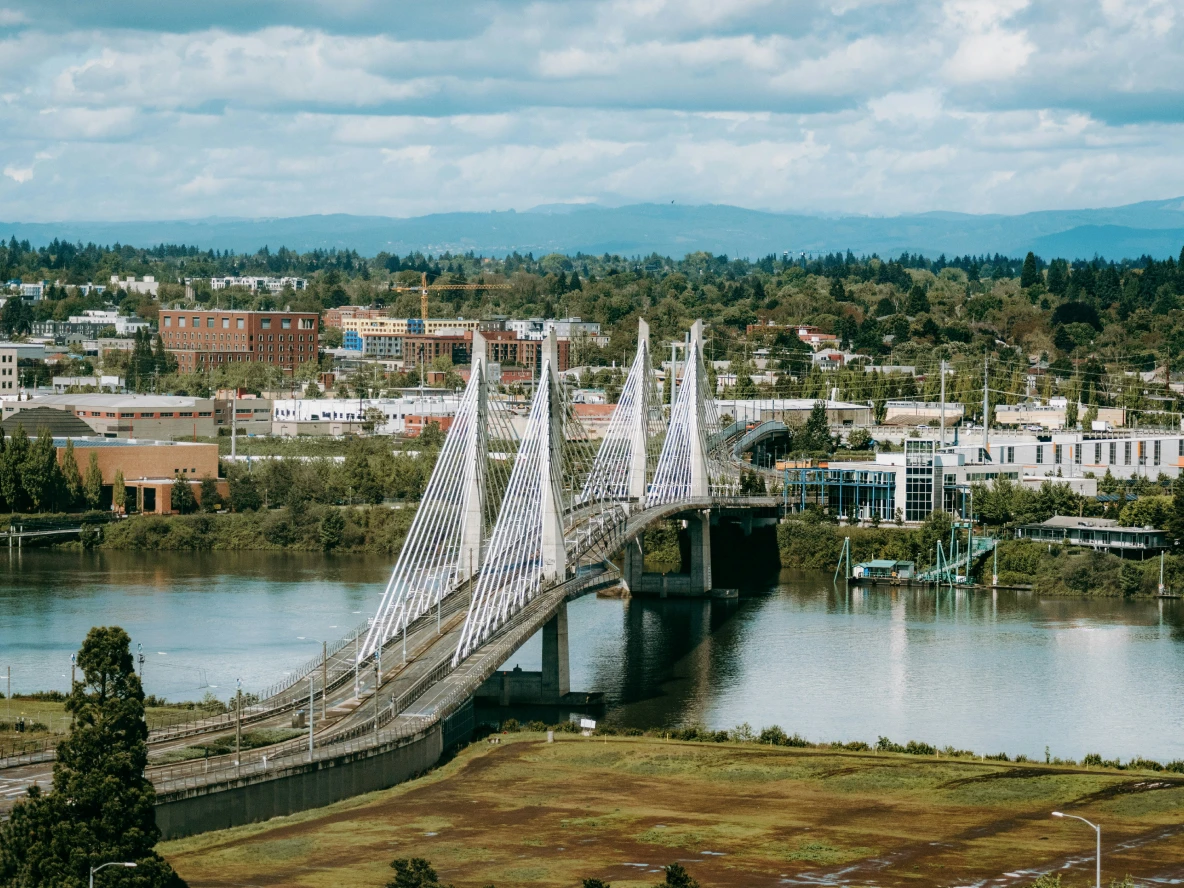
From Portland bridges in the rain to the coast highway's curves, Oregon asks more of a policy than most states, and requires more too. Here is what you need and how to price it right.
Licensed agents · No obligation · Your information stays private

Why Local Coverage Matters

Oregon does not stop at liability. State law also requires personal injury protection and uninsured motorist coverage on every policy, so an Oregon policy is built differently from the start. Suncoast helps Oregon drivers get auto insurance that meets all four requirements without paying for more than they need.

Oregon Minimum Car Insurance Requirements

Oregon requires more than plain liability. Under ORS 806.010, every driver must carry:
$25,000
bodily injury liability per person
$50,000
bodily injury liability per accident (two or more people)
$20,000
property damage liability per accident
$15,000
per person in personal injury protection (PIP)
$25,000 per person / $50,000 per accident
uninsured motorist coverage
The liability portion is often written as 25/50/20, but remember that PIP and uninsured motorist coverage are mandatory parts of every Oregon policy, not add-ons.
Proof of insurance
Carry proof in the vehicle and provide your insurance policy number whenever you register a vehicle. Insurers report coverage to Oregon DMV, which runs random verification checks.
Penalties for driving uninsured
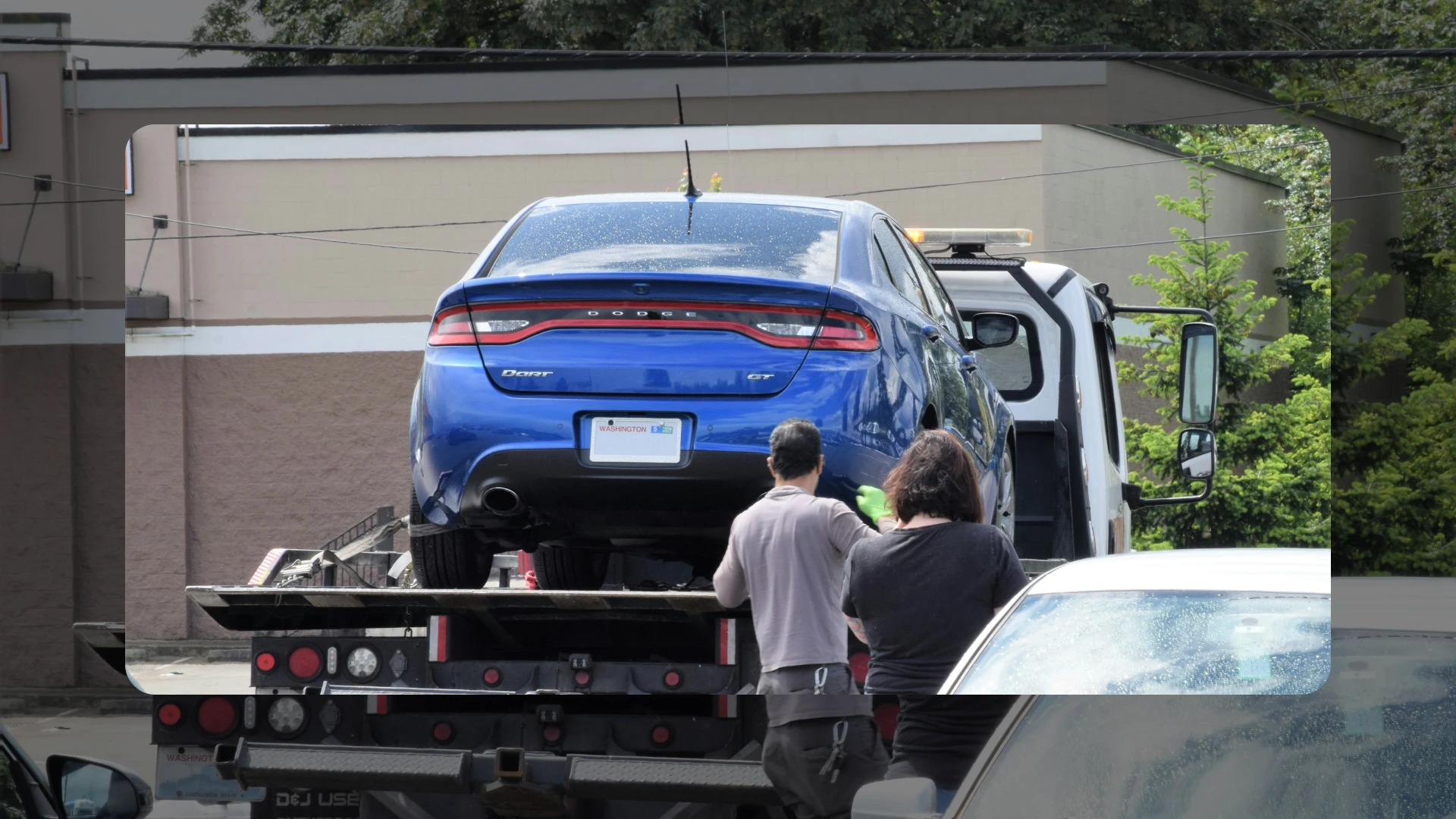
Expect a citation with a presumptive fine in the hundreds of dollars, a one year license suspension if you are in an accident while uninsured, an SR-22 filing requirement for three years in serious cases, and possible vehicle impoundment.

Coverage Options Beyond the Minimum

Oregon's mandatory package is broader than most states, but it still leaves your own vehicle unprotected. Many Oregon drivers add to it.
Liability coverage with higher limits
raises what your policy can pay for injuries and property damage you cause to others. Portland-area vehicle values make the $20,000 property damage floor easy to exceed.
Collision coverage
helps pay to repair or replace your own vehicle after a covered collision, regardless of fault, including hydroplaning and low-visibility crashes that come with Oregon winters.
Comprehensive coverage
helps with covered non-collision losses such as theft, vandalism, falling branches, and flood damage. Portland's catalytic converter theft problem and storm-heavy winters both land in comprehensive territory.
Uninsured/underinsured motorist coverage
builds on the required uninsured motorist protection, helping when the at-fault driver has some insurance but not enough to cover your injuries.

How We Help

How Much Does Car Insurance Cost in Oregon?

Your rate reflects your driving record, vehicle, coverage choices, deductibles, prior insurance, and where in Oregon you drive.

Because every Oregon policy already includes PIP and uninsured motorist coverage, comparing carriers matters even more here. A quote takes minutes.
Portland
Metro traffic, theft rates, and claim frequency put premiums at the top of the state's range.
Gresham and the east metro
Typically prices near Portland levels.
Salem
Capital-area rates that usually land mid-range.
Eugene
Generally friendlier than Portland, with college-town traffic in the mix.
Bend and Central Oregon
Often moderate, with winter driving and wildlife as factors.

Ways to Save on Oregon Auto Insurance

A higher deductible on collision and comprehensive lowers your premium in exchange for more out of pocket on a covered claim. A clean driving record compounds year after year. Continuous coverage avoids lapse surcharges and keeps you clear of Oregon's uninsured penalties. Bundling auto with other policies adds multi-policy discounts, and ask about safe driver, multi-vehicle, low mileage, and pay-in-full discounts.

Leasing or Financing? Read This First

If you lease or finance, your lender will almost always require collision and comprehensive coverage on top of Oregon's mandatory package, and may set deductible limits. Ask about GAP coverage as well. It can help pay the difference between your loan balance and the vehicle's value if the car is totaled or stolen, which matters most in the first years of the loan.

Registering a Vehicle in Oregon

Registration runs through Oregon Driver and Motor Vehicle Services (DMV), a division of the Oregon Department of Transportation (ODOT), with many transactions available online through DMV2U.

To register you will generally need the title or dealer paperwork, your insurance policy number (you must provide it at every registration), a DEQ emissions test if you live in the Portland or Medford vehicle inspection areas, and payment of title and registration fees. New residents must title and register their vehicles promptly after establishing residency.

Oregon DMV runs random insurance verification, and being caught without coverage on a registered vehicle can cost you the registration and trigger an SR-22 requirement, so keep the policy active as long as the plates are on the car.

Got Questions?
We’ve Got Answers.

What are the car insurance requirements in Oregon?
Oregon requires liability insurance of $25,000 bodily injury per person, $50,000 per accident, and $20,000 property damage (25/50/20), plus $15,000 per person in personal injury protection and uninsured motorist coverage of 25/50. All four parts are mandatory on every Oregon policy.
What is PIP and why does Oregon require it?
Personal injury protection (PIP) helps pay medical expenses, lost income, and related costs for you and your passengers after a covered accident, regardless of fault. Oregon requires at least $15,000 per person on every auto policy.
What happens if I drive without insurance in Oregon?
Expect a fine in the hundreds of dollars, and if you are in an accident while uninsured, a one year license suspension plus a three year SR-22 filing requirement. Oregon DMV also runs random insurance verification on registered vehicles.
How much is car insurance in Oregon?
It varies by driver. Portland metro premiums run highest, while Eugene, Bend, and Medford usually price lower. Because PIP and uninsured motorist coverage are built into every policy, carrier-to-carrier comparison matters more in Oregon than in most states. An online quote takes minutes.
Is Oregon a no fault state?
No. Oregon is an at fault state. The mandatory PIP coverage pays your initial medical costs regardless of fault, but the at-fault driver remains responsible for the damage they cause.
Can I get Oregon car insurance with a ticket, accident, or SR-22 requirement?
Yes. Oregon requires SR-22 filings after certain suspensions and uninsured accidents. Suncoast works with carriers that welcome drivers with marks on their record, and a licensed agent can handle the filing as part of your policy.
Still have questions?
Can’t find the answer you’re looking for? Please chat to our friendly team.
Get in Touch

Need Coverage for More Than 
Just Your Car?

Life doesn’t stop at auto insurance—and neither do we. From protecting your home to covering your next adventure, Suncoast Financial makes it easy to get the coverage you need, all in one place. Explore our other insurance options and build a plan that fits your whole life.
Or, Call (877) 240-4678

Learn more about insurance

The Suncoast Blog is your go-to guide for all insurance knowledge.
Thank you! Your submission has been received!
Oops! Something went wrong while submitting the form.
© 2025 Suncoast Financial & Insurance Agency. All rights reserved.
Licensed in AZ · CA · CO · NM · NV · OR · TN · TX · UT