

Every boat has a kind of fingerprint, a 12-character code called the Hull Identification Number, or HIN. If you are buying, registering, or insuring a boat, you will need it, and knowing how to read it tells you more about your vessel than you might expect.
This article is general information, not insurance advice. Coverage varies by policy, insurer, and state. Confirm what your policy includes with a licensed agent before you rely on it.
A Hull Identification Number is a unique 12-character code stamped into the hull of your boat, similar to a VIN on a car. The U.S. Coast Guard has required a HIN on all boats manufactured or imported since November 1, 1972. It permanently identifies your specific vessel and cannot be changed.
The 12 characters break into three parts:
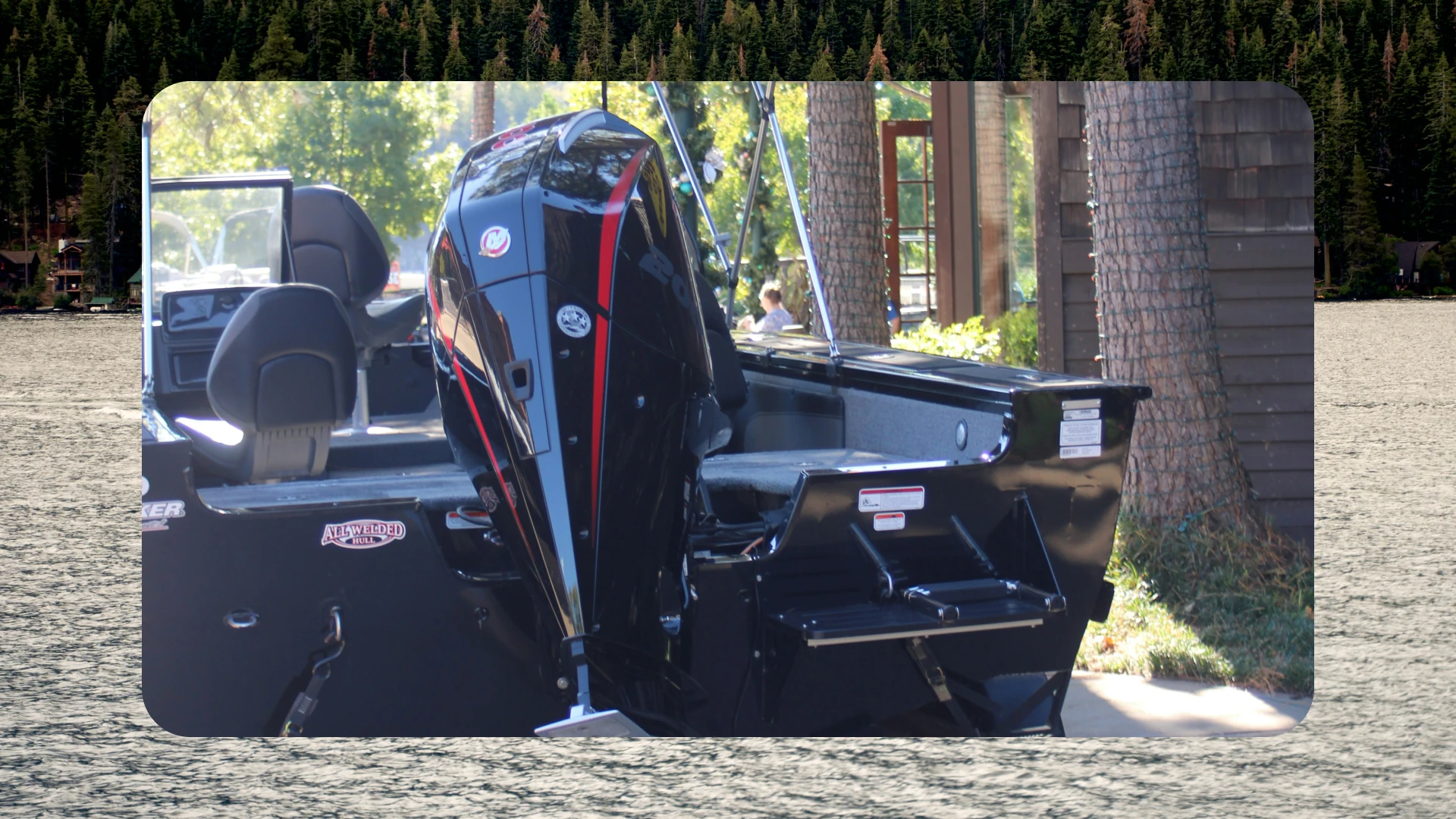
The HIN is usually stamped on the starboard (right) side of the transom, the flat surface at the very back of the boat, in the upper corner. Many boats carry a second, hidden HIN elsewhere on the hull as a theft deterrent. If you cannot find it, your registration paperwork or title should list it.
Your insurer uses the HIN to identify the exact boat being covered, confirm its age and build, and tie the policy to the right vessel. It also plays a role in:
A HIN that is missing, damaged, or altered can complicate registration, a sale, or a claim, so it is worth confirming yours is present and legible.
If the plate is gone or unreadable, contact your state boating agency. They can guide you through assigning a state-issued HIN so your boat stays properly registered and insurable.
When you are ready to protect your vessel, Suncoast Financial can help you compare boat insurance options.



.svg)